
Is Basmati Rice Healthy?
Benefits You Should Know
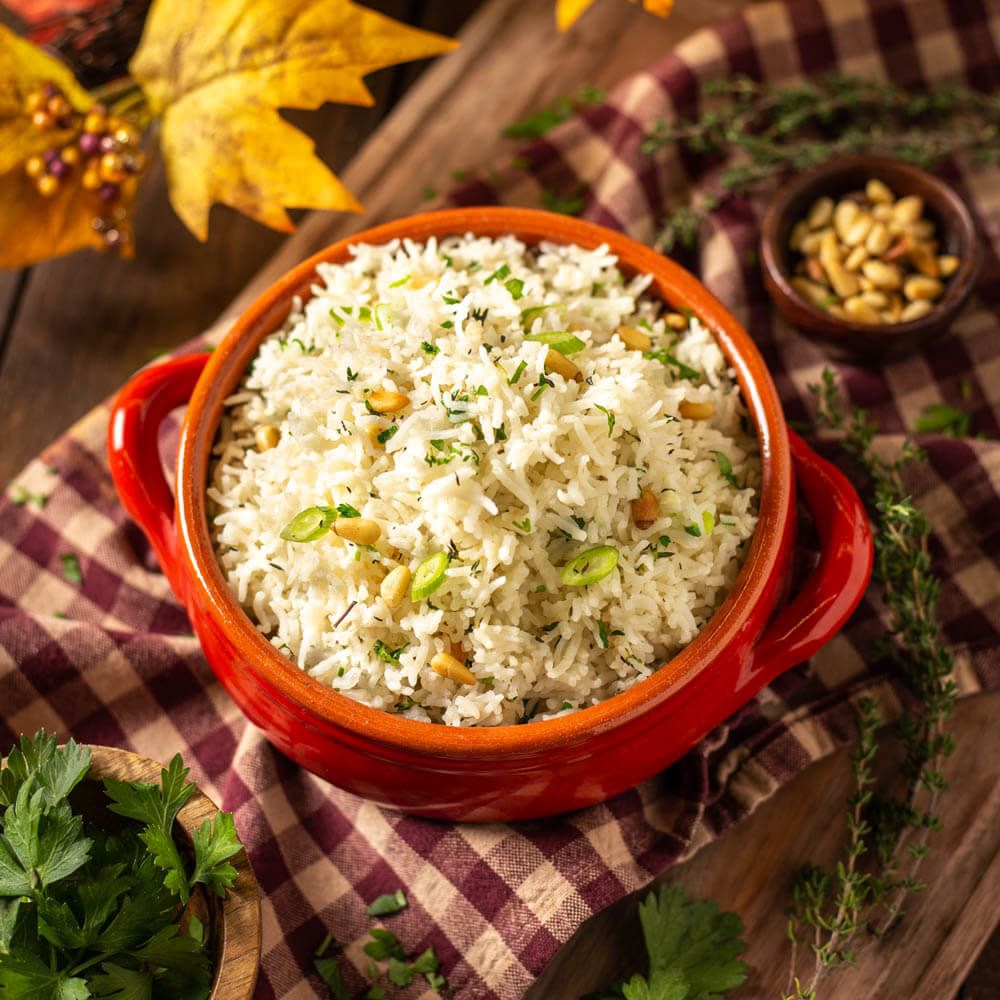
Basmati rice is one of the most popular rice varieties in India and around the world. Known for its long grains, rich aroma, and delicious taste, it is a staple in many households. But beyond its flavor and texture, a common question people ask is: Is basmati rice healthy?
The answer is yes—basmati rice can be a healthy addition to your diet when consumed in the right quantity and form. Let’s explore the nutritional value and key benefits of basmati rice.
What Makes Basmati Rice Unique?
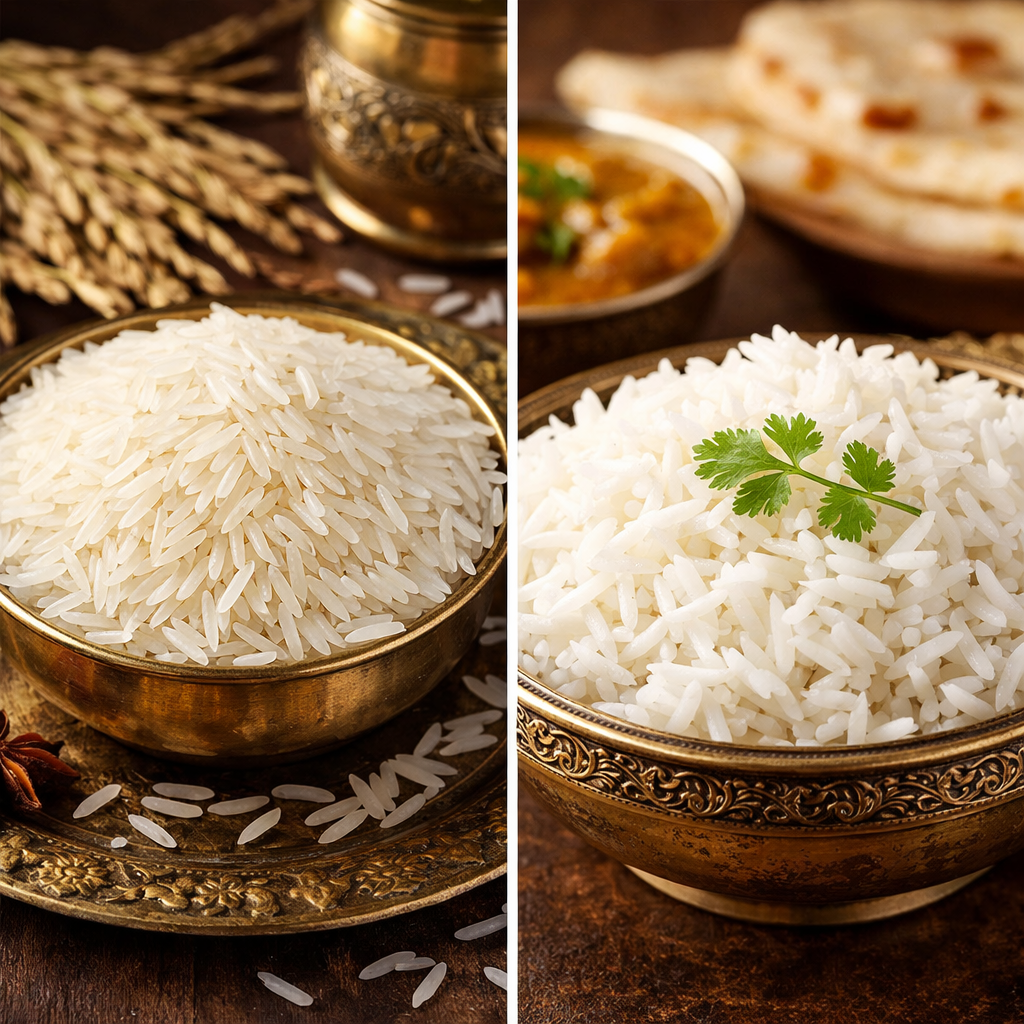
Basmati rice stands out because of its long, slender grains and natural fragrance. It is primarily grown in the fertile regions of India, where the climate and soil conditions enhance its quality.
Compared to regular rice, basmati rice has:
- A lighter texture
- A distinct aroma
- Lower starch content
These qualities not only make it tastier but also easier to digest.
🥗 Nutritional Value of Basmati Rice
Basmati rice is a good source of essential nutrients that your body needs daily. It contains:
- Carbohydrates – Provides energy for daily activities
- Protein – Supports muscle growth and repair
- Fiber (especially in brown basmati rice) – Aids digestion
- Vitamins – Such as B vitamins that help in metabolism
- Minerals – Including magnesium and iron
It is naturally low in fat and cholesterol-free, making it a clean and healthy food choice.
💪 Health Benefits of Basmati Rice
Easy to Digest
Basmati rice is light on the stomach and easy to digest. This makes it suitable for people of all ages, including children and the elderly.
Low Glycemic Index (GI)
This means:
- It releases energy slowly
- Helps maintain stable blood sugar levels
This makes it a better option for people who are conscious about sugar intake.
Supports Heart Health
Basmati rice is naturally low in fat and sodium, which supports heart health. When paired with vegetables and healthy proteins, it can be part of a balanced diet.
Helps in Weight Management
If eaten in controlled portions, basmati rice can help with weight management. Its ability to keep you full for longer reduces unnecessary snacking.
Gluten-Free Choice
Basmati rice is naturally gluten-free, making it ideal for people with gluten intolerance or those following a gluten-free diet.
Provides Energy
Rich in carbohydrates, basmati rice is an excellent source of energy. It fuels your body and keeps you active throughout the day.
🌾 Brown vs White Basmati Rice
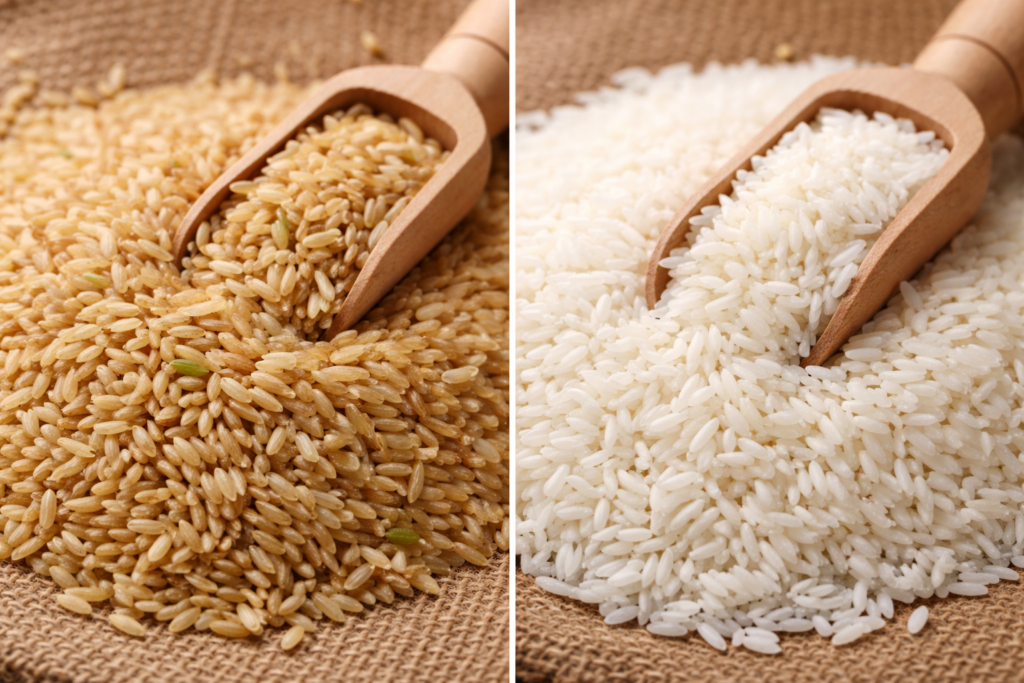
Brown Basmati Rice
- Higher in fiber
- More nutrients
- Better for digestion and weight control
White Basmati Rice
- Softer and cooks faster
- Easier to digest
- Ideal for quick meals
Choosing between them depends on your dietary needs and preferences.
- It with minimal oil or ghee
- Pair it with vegetables, dals, or lean proteins
- Avoid overeating—portion control is key.
- Rinse rice properly before cooking to remove excess starch.
🍽️ Tips to Make Basmati Rice Healthier
🌟 Why Choose Premium Quality Basmati Rice?
The quality of rice plays a major role in its health benefits. Premium basmati rice is cleaner, better processed, and retains its natural nutrients.
Choosing a trusted brand ensures:
- Better taste and aroma
- Consistent grain quality
- Hygienic processing
✅ Conclusion
So, is basmati rice healthy? Absolutely. When consumed in the right quantity and prepared in a balanced way, it offers several health benefits—from easy digestion to sustained energy.
Whether you enjoy it as part of your daily meals or in special dishes like biryani and pulao, basmati rice can be a nutritious and satisfying addition to your diet.
1. Is basmati rice healthier than regular rice?
Yes, basmati rice generally has a lower glycemic index and better nutritional profile compared to regular white rice.
2. Can basmati rice be eaten daily?
Yes, it can be eaten daily in moderate portions as part of a balanced diet.
3. Is basmati rice good for weight loss?
It can support weight management if consumed in controlled portions and combined with a healthy diet.
4. Is basmati rice suitable for diabetic people?
Due to its lower glycemic index, it is a better option than regular rice, but portion control is important.
5. Which is better: brown or white basmati rice?
Brown basmati rice is more nutritious, while white basmati rice is easier to digest. The choice depends on your health goals.