
🌾 India: The Global Hub of Basmati Rice Production
India has long been recognized as the heart of basmati rice production, supplying premium-quality rice to markets across the globe. Known for its rich aroma, long grains, and exceptional taste, basmati rice holds a special place in both Indian cuisine and international kitchens.
But what makes India the global hub for basmati rice? Let’s explore the factors that give India this unique position and why it continues to lead the world in basmati production.
🌍 The Origin of Basmati Rice
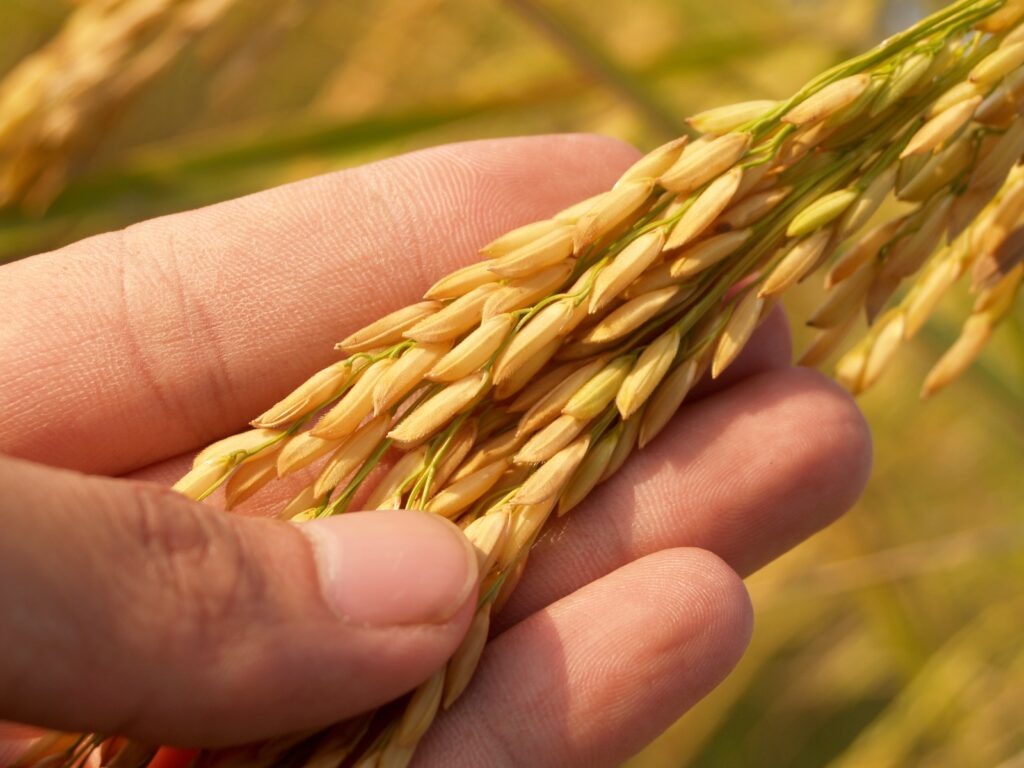
Basmati rice is not just a crop—it is a legacy. It has been cultivated for centuries in the fertile plains of the Indian subcontinent, particularly in the northern regions.
The word “basmati” itself means “fragrant”, reflecting the natural aroma that sets it apart from other rice varieties. This unique quality cannot be replicated easily in other parts of the world, making India a natural home for basmati cultivation.
🌱 Ideal Climate and Soil Conditions
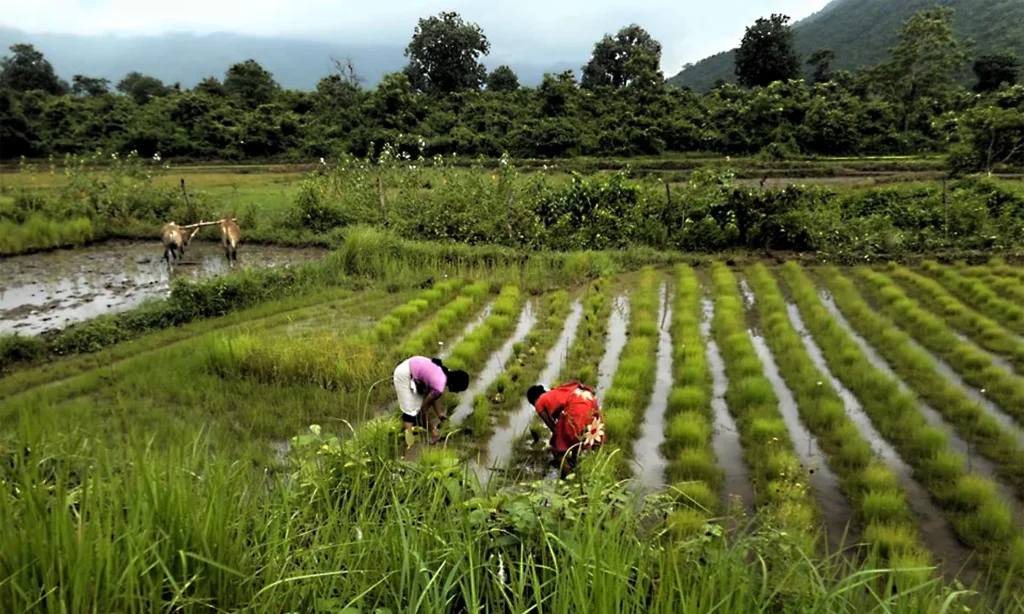
One of the biggest reasons India dominates basmati rice production is its perfect agro-climatic conditions.
Key factors include:
- Fertile alluvial soil
- Suitable temperature variations
- Abundant water supply from rivers
- Favorable humidity levels
Regions like Punjab, Haryana, Uttar Pradesh, and Uttarakhand provide the ideal environment for growing high-quality basmati rice. These natural advantages ensure that Indian basmati rice maintains its signature aroma and long grain structure.
🚜 Advanced Farming Practices
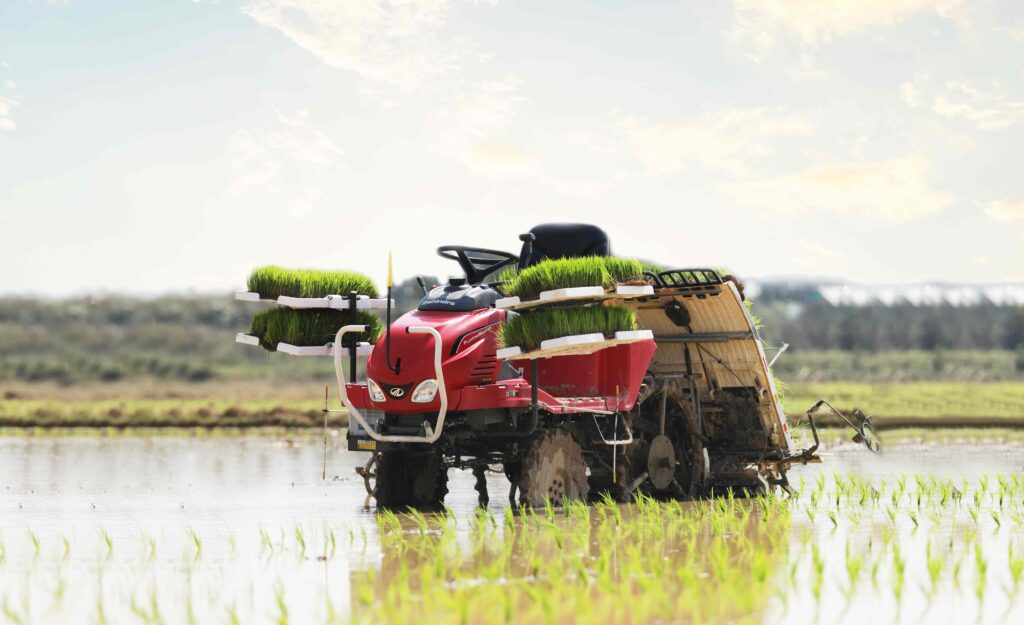
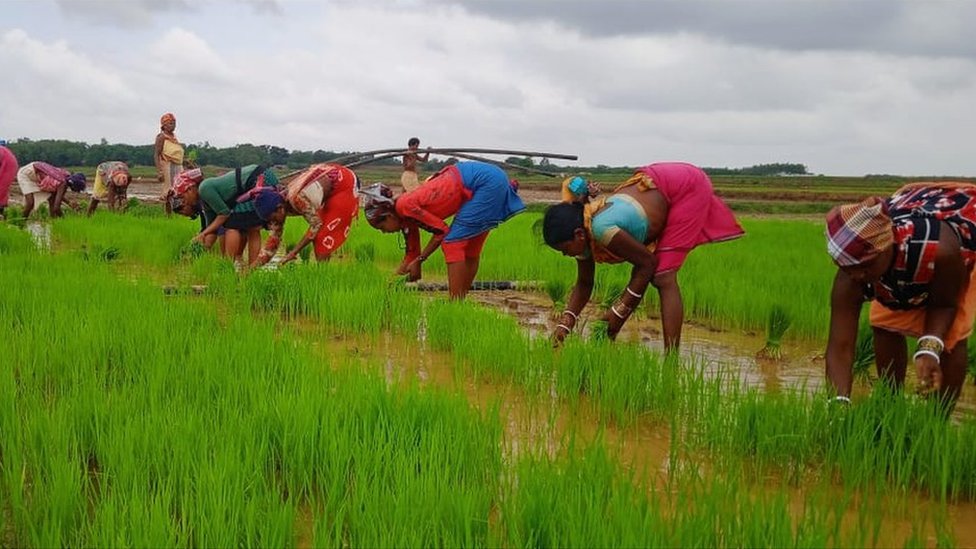
Indian farmers have combined traditional knowledge with modern agricultural techniques to produce world-class basmati rice.
Some important practices include:
- Careful seed selection
- Controlled irrigation methods
- Use of advanced harvesting techniques
- Quality-focused cultivation processes
This blend of tradition and innovation helps maintain consistency and high standards in production.
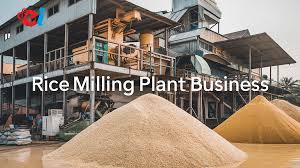
🏭 Strong Processing and Milling Industry
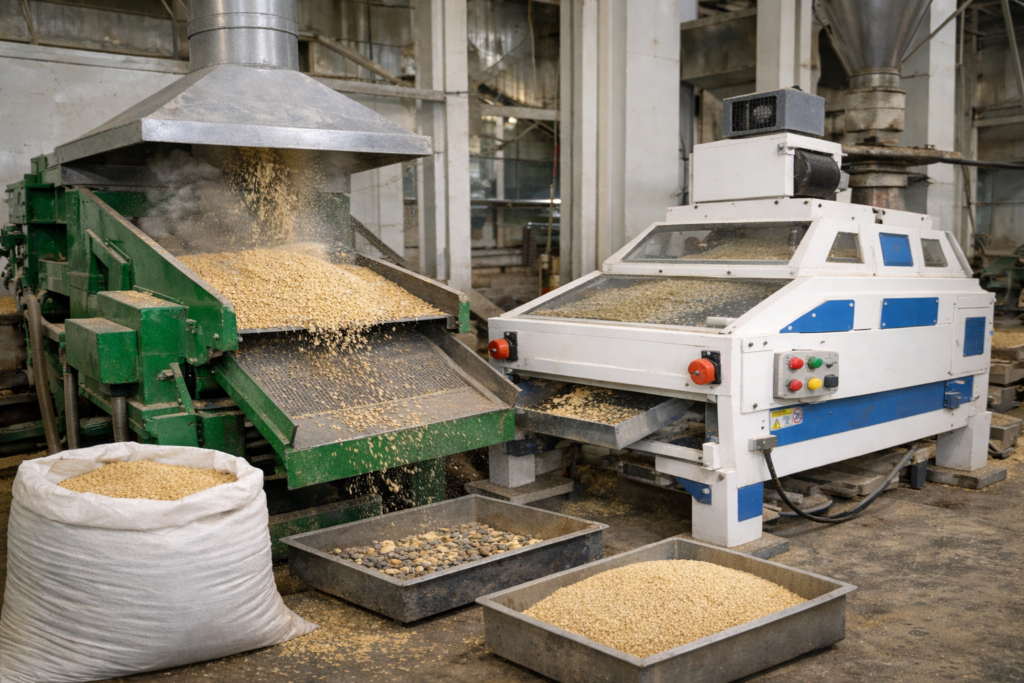
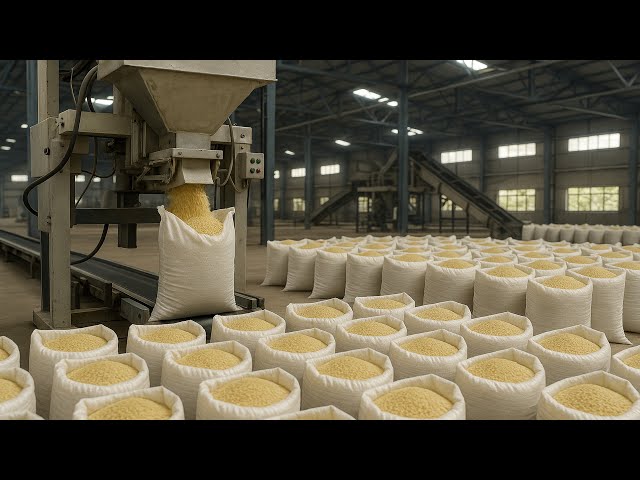
India has a well-developed rice milling and processing infrastructure that ensures the final product meets international standards.
Modern rice mills focus on:
- Cleaning and grading
- Sorting and polishing
- Hygienic packaging
- Quality control checks
This ensures that basmati rice reaches consumers in its best form—long, aromatic, and free from impurities.
🌐 Global Export Leader
India is the largest exporter of basmati rice in the world, supplying to countries across the Middle East, Europe, the United States, and beyond.
- Superior quality
- Competitive pricing
- Wide variety of basmati types
- Strong export networks
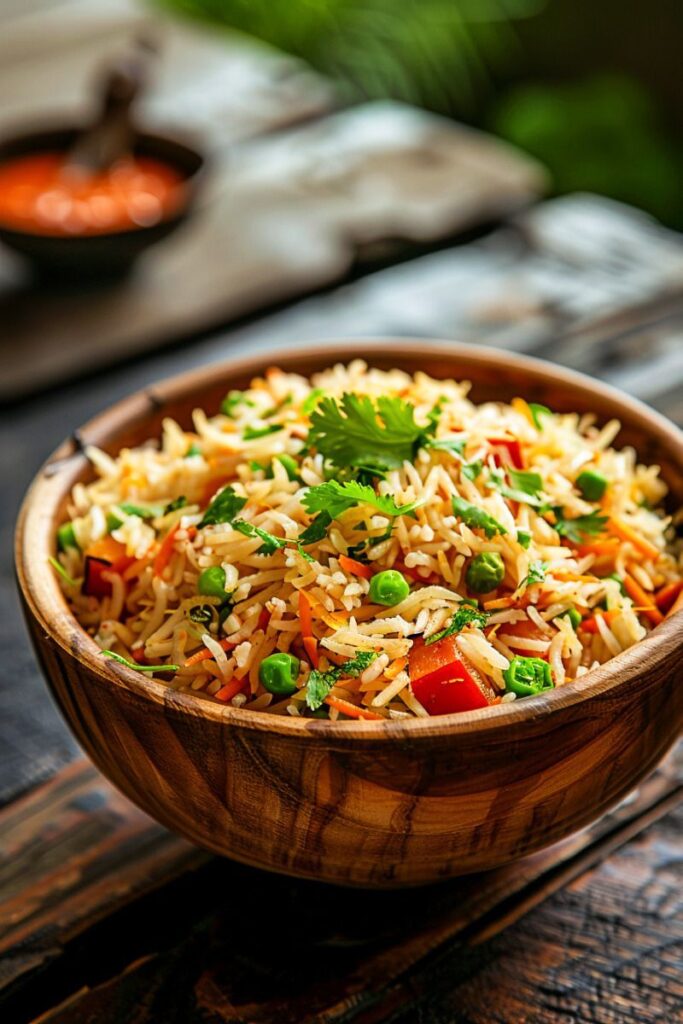
Indian basmati rice is widely used in international cuisines, especially in dishes like biryani, pilaf, and other rice-based delicacies.
🌾 Wide Variety of Basmati Rice
Traditional basmati rice
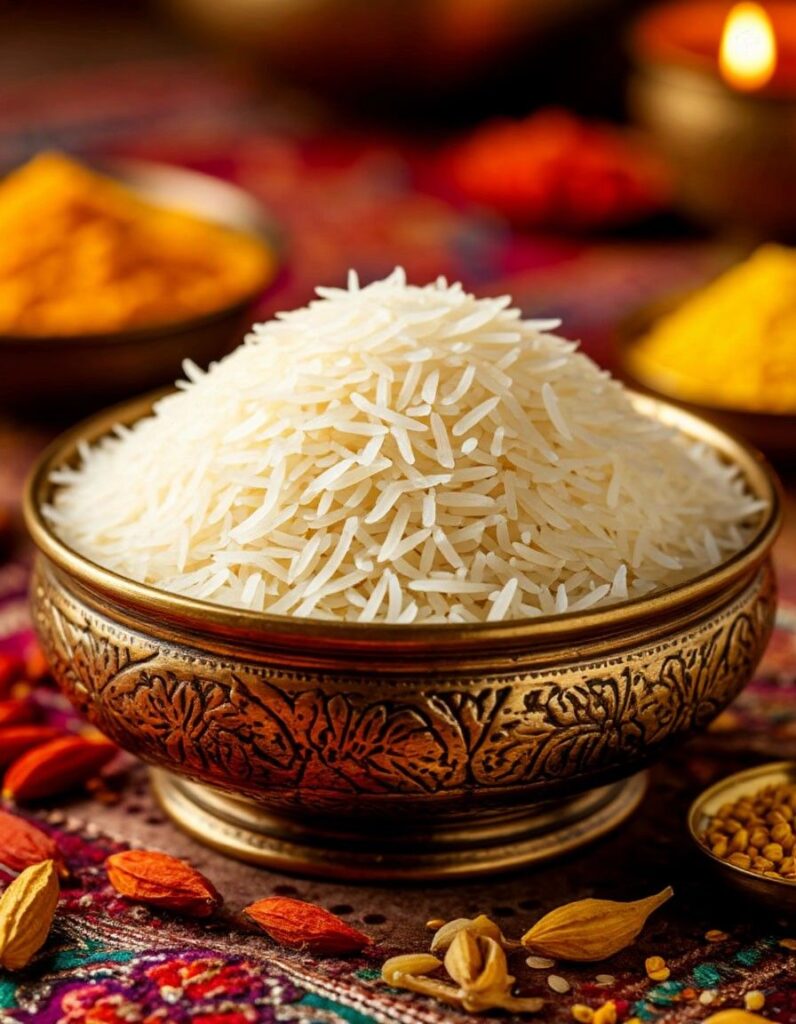
Steam basmati rice
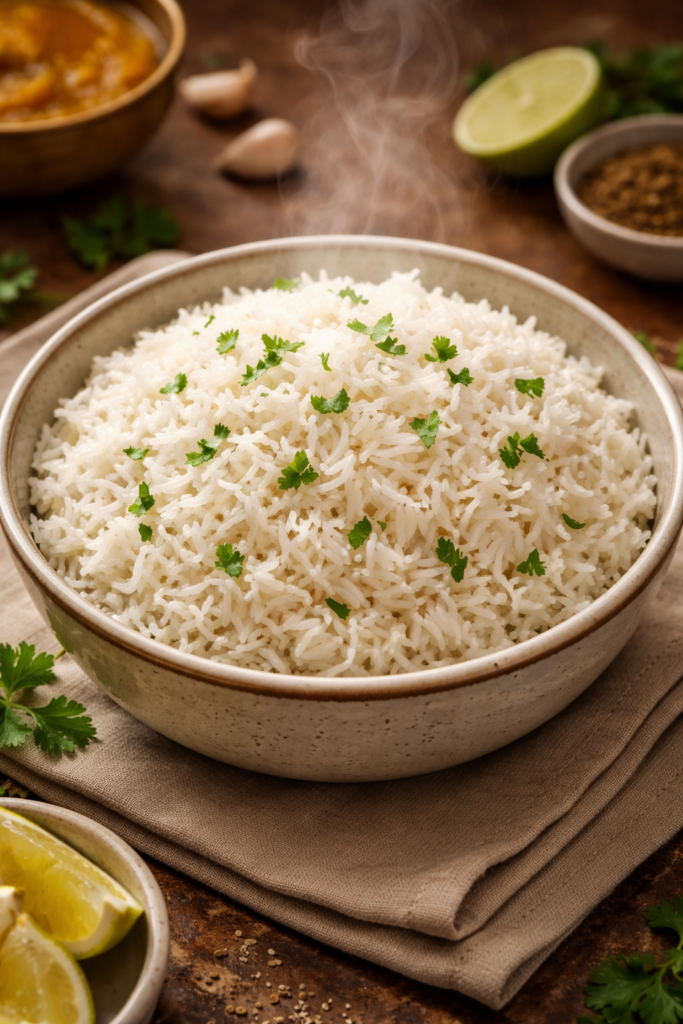
Sella basmati rice
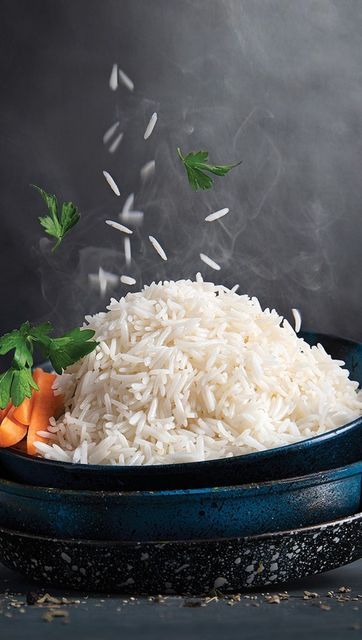
Golden sella basmati rice
🏆 Quality Standards and Certifications
India maintains strict quality standards and certifications for basmati rice production and export.
These include:
- Grading based on grain length and purity
- Export quality checks
- Compliance with international food safety standards
Such measures ensure that Indian basmati rice consistently meets global expectations.
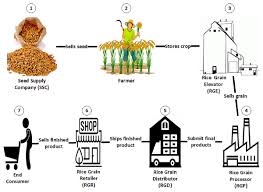
Basmati rice is a major contributor to India’s agricultural economy. It supports:
- Millions of farmers
- Rice mill workers
- Export businesses
- Supply chain networks
The industry not only generates revenue but also strengthens India’s position in global agricultural trade.
🌟 Economic Importance
🌿 Why India Will Continue to Lead ?
India’s leadership in basmati rice production is not accidental—it is built on a combination of natural advantages, expertise, and infrastructure.
Farming techniques
Processing technology
Export strategies
✅ Conclusion
India’s dominance in basmati rice production is the result of centuries of tradition, ideal growing conditions, and a strong commitment to quality. From farm to plate, every step of the process reflects excellence.
For consumers and businesses worldwide, Indian basmati rice represents trust, authenticity, and unmatched quality—making it the preferred choice across global markets.
1. Why is India famous for basmati rice?
India has the ideal climate, soil, and traditional expertise required to grow high-quality basmati rice, making it the leading producer globally.
2. Which regions in India produce basmati rice?
Major basmati-producing regions include Punjab, Haryana, Uttar Pradesh, and Uttarakhand.
3. Is India the largest exporter of basmati rice?
Yes, India is the largest exporter of basmati rice, supplying to countries worldwide.
4. What makes Indian basmati rice unique?
Its long grains, natural aroma, and superior taste make it stand out from other rice varieties.
India has the ideal climate, soil, and traditional expertise required to grow high-quality basmati rice, making it the leading producer globally.
Major basmati-producing regions include Punjab, Haryana, Uttar Pradesh, and Uttarakhand.
Yes, India is the largest exporter of basmati rice, supplying to countries worldwide.
Its long grains, natural aroma, and superior taste make it stand out from other rice varieties.